
X
RSS

Blog posts tagged with '#vishalchoksi'

“Circular Gold: How Recycled Materials Are Powering Modern Jewelry Manufacturing”. By Vishal Choksi

As sustainability becomes a global priority, the jewelry industry is undergoing a powerful transformation. At the center of this shift is circular gold—a responsible approach where gold is reused, refined, and reborn without compromising quality or purity. Unlike many materials, gold is infinitely recyclable, making it a cornerstone of sustainable luxury and modern jewelry manufacturing.

“The Golden Balance: Merging Mass Production with Handmade Perfection” By Vishal Choksi

In today’s jewelry industry, consumers want both precision and personality. They expect flawless finishes, consistent quality, and timeless designs, yet they also value the human touch that makes each piece unique. Achieving this harmony is where the golden balance of mass production and handmade perfection comes into play.

“Why Casting Quality Matters: Understanding Void-Free, High-Density Gold Casting” By Vishal Choksi

Gold jewelry is celebrated for its timeless beauty, but behind every elegant piece lies a meticulous process that determines its quality, durability, and finish. One of the most critical steps in jewelry manufacturing is casting. High-quality casting ensures that gold jewelry is not only visually flawless but also structurally sound. Understanding void-free, high-density casting helps buyers appreciate why some pieces stand the test of time while others may fail prematurely.

“Circular Gold: How Recycled Materials Are Powering Modern Jewelry Manufacturing” By Vishal Choksi

Sustainability is no longer a choice—it’s a necessity. In the world of jewelry, recycled gold is redefining how designers, manufacturers, and consumers think about luxury. Circular gold practices not only reduce environmental impact but also empower modern jewelry manufacturing to be innovative, responsible, and stylish.

“The Science Behind Gold Hardness: Alloys, Karats & Strength Testing Explained” By Vishal Choksi

Gold is admired for its beauty, rarity, and lasting value—but behind its shine lies an important scientific reality: pure gold is soft. To transform gold into durable, wearable jewelry, manufacturers rely on alloys, karat control, and rigorous strength testing. Understanding these elements explains why some gold jewelry lasts generations while others deform easily.

“Laser Welding Magic: How Jewelers Achieve Seamless, Invisible Joints” By Vishal Choksi

In modern jewelry manufacturing, perfection is no longer judged only by design—it is defined by precision, strength, and invisibility of craftsmanship.

Inside a Jewelry Factory: A Step-by-Step Look at the Full Production Line By Vishal Choksi

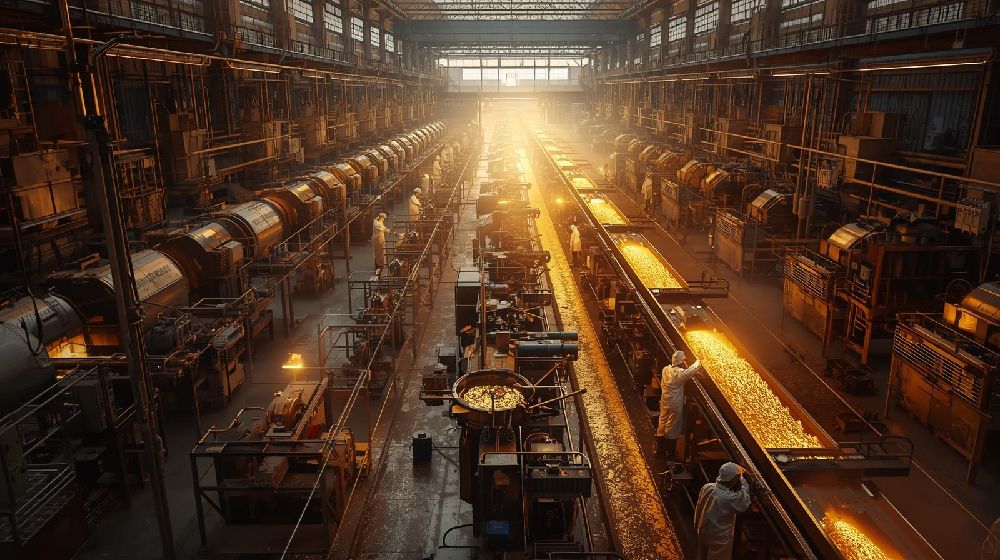
Behind every beautifully finished gold jewelry piece lies a complex and highly controlled manufacturing process. From raw gold to showroom-ready designs, a modern jewelry factory blends technology, craftsmanship, and precision quality control. This blog takes you inside a jewelry factory to explore each stage of the full production line.

Why Casting Quality Matters: Understanding Void-Free, High-Density Gold Casting

Gold jewelry is admired for its shine, elegance, and intricate designs—but achieving flawless pieces goes far beyond artistry. Behind every exquisite bangle, ring, or necklace lies a critical factor: casting quality. For Vishal Choksi and the ORO-Z team, precision casting is not just a process—it’s the foundation of luxury, durability, and customer satisfaction.

How Quality Control Works in Jewelry Production: Assaying, Hallmarking & Finishing Tests By Vishal Choksi – Ensuring Purity, Precision & Perfection in Every Piece

In today’s competitive jewelry market, quality is not just a feature — it is a promise. For leaders like Vishal Choksi, maintaining uncompromised quality across every stage of production is the foundation of trust, craftsmanship, and brand reputation.

The Art of Perfection: How Jewelry Manufacturers Achieve Consistency at Scale By Vishal Choksi


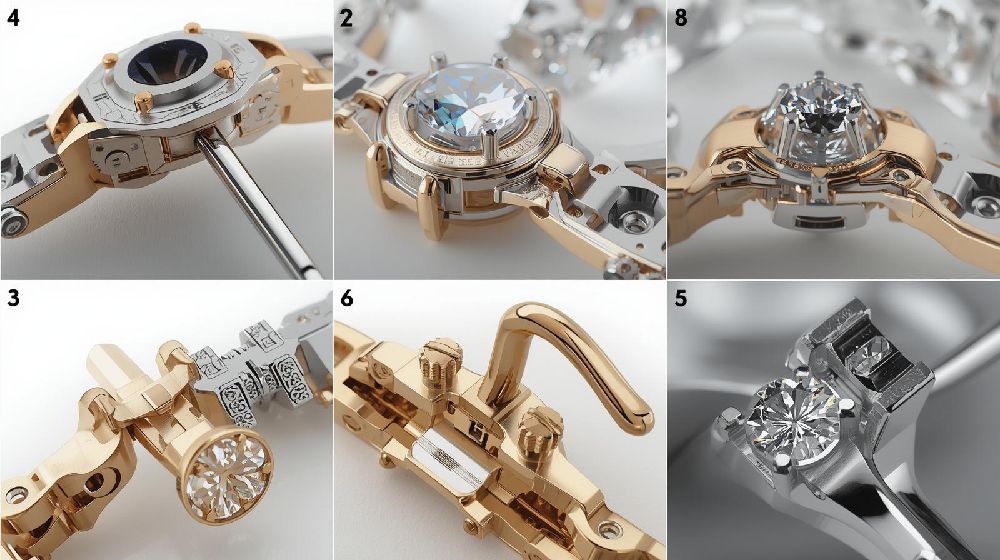
In the world of fine jewelry, perfection is not an act — it is a disciplined process. From mass-production units to luxury ateliers, the biggest challenge manufacturers face today is achieving unwavering consistency at scale. Customers expect every piece — whether it’s the first or the thousandth — to carry the same brilliance, weight, finish, and precision. This is where true mastery lies: transforming craftsmanship into a repeatable, measurable, and flawless art form.

1. Precision Begins With Digital Design

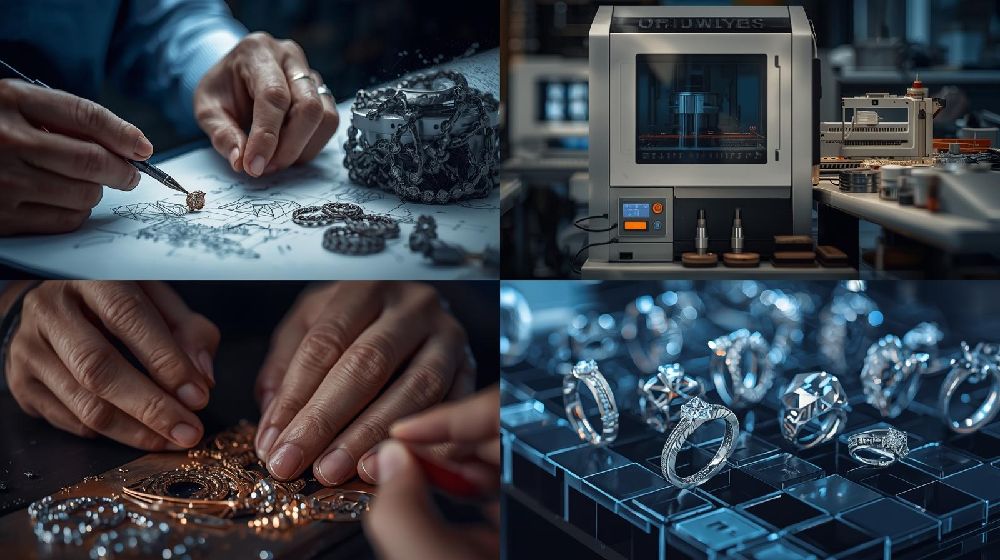
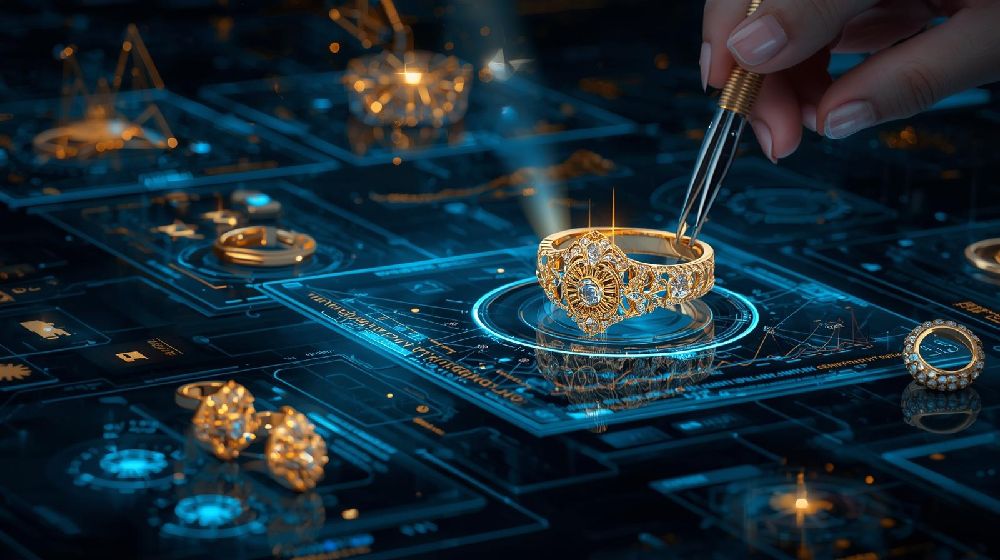
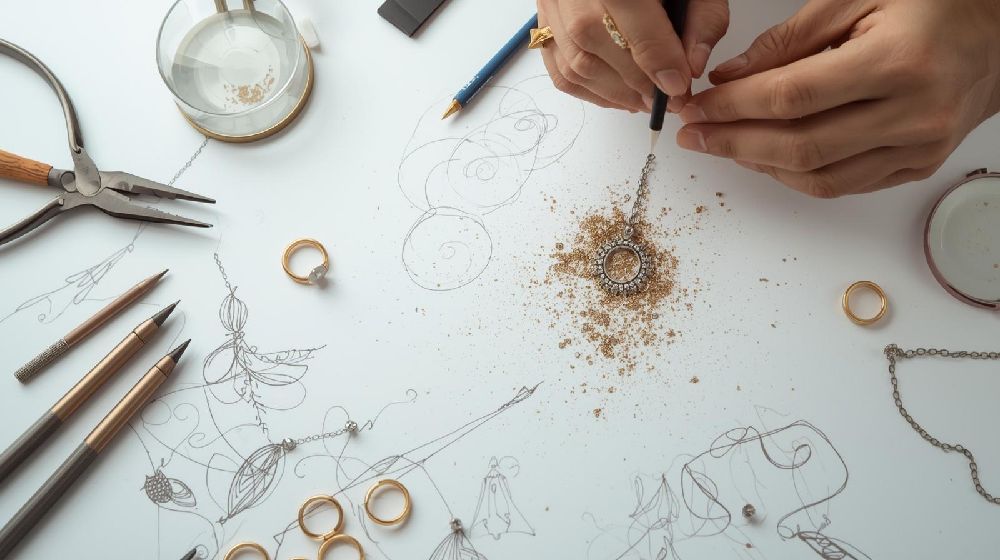
Consistency is born at the design table. Using advanced CAD modeling, manufacturers create digital blueprints with exact measurements, angles, and structural details. These files become the master templates, ensuring that every batch follows the same specifications.
This eliminates guesswork and guarantees that every piece begins its journey with identical foundations.

2. CNC and Laser: The Heart of Replicable Accuracy

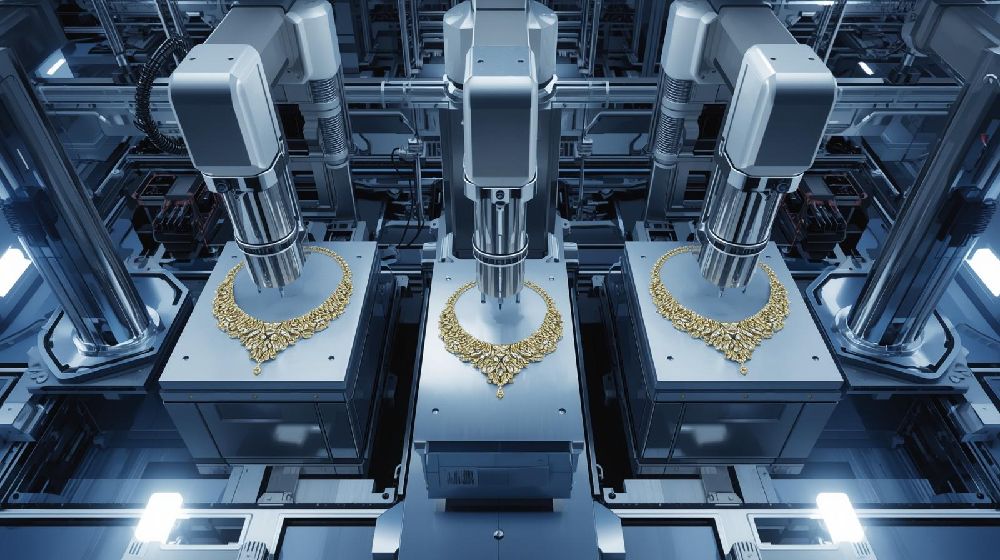
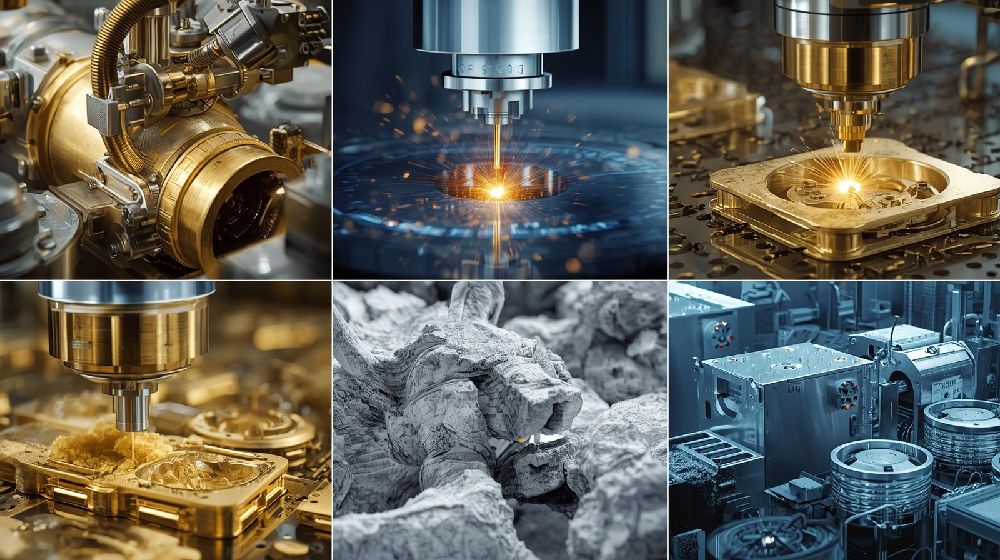
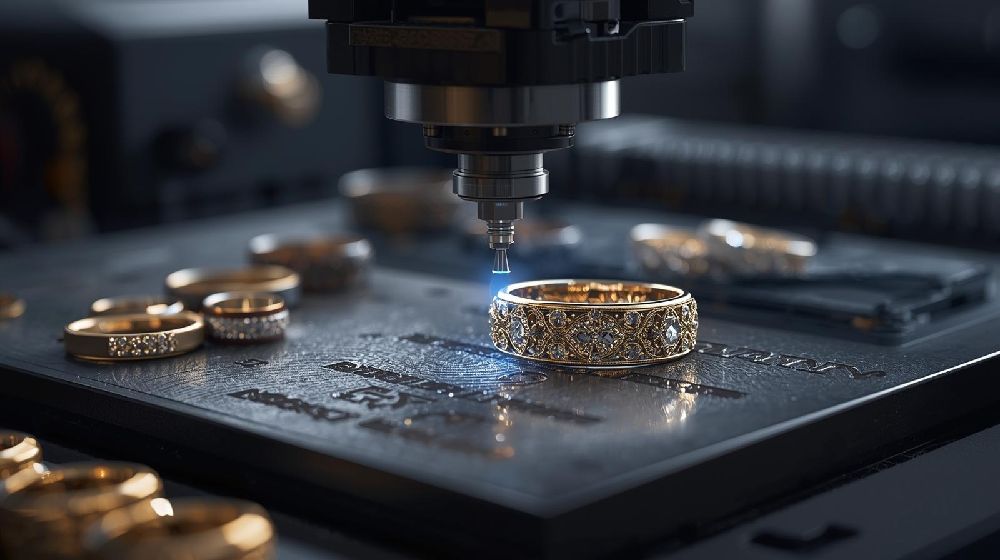
Modern production relies heavily on CNC cutting, laser engraving, and laser welding to execute designs with micron-level accuracy. Machines follow programmed paths, eliminating variations that occur with manual tools.
This ensures uniform surface depths, perfect symmetry, and identical patterns — across hundreds or thousands of pieces.

3. Controlled Casting for Uniformity

Casting plays a crucial role in mass-scale production. By using temperature-controlled furnaces, vacuum casting machines, and premium alloy compositions, manufacturers maintain identical metal flow, density, and purity.
This technical precision ensures every piece comes out with consistent structure and durability, regardless of batch size.

4. Standardized Processes, Skilled Hands

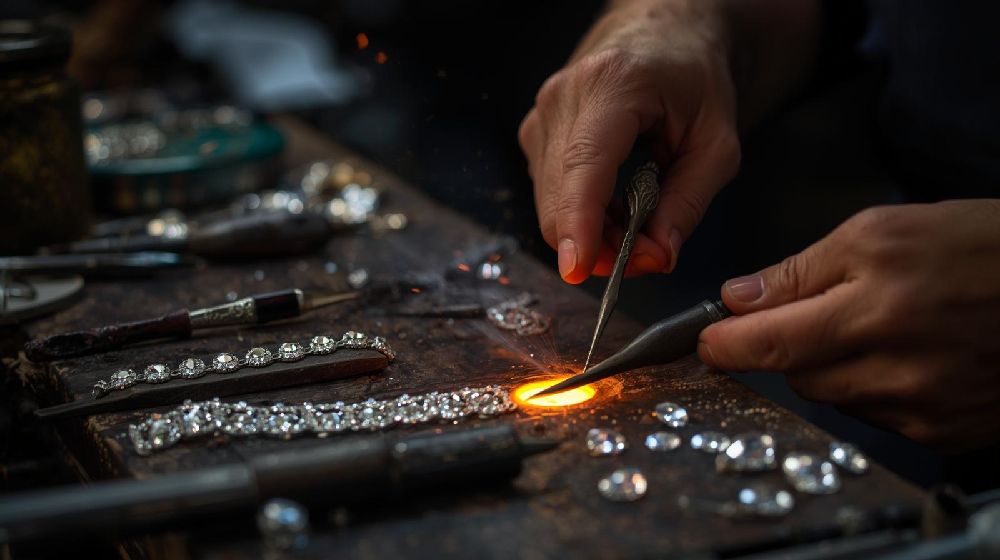
Even with automation, human craftsmanship remains irreplaceable. Polishing, finishing, and assembly require trained artisans who follow standard operating procedures (SOPs) designed for uniform results.
These SOPs define everything — from polishing pressure to plating duration — allowing artisans to maintain consistent outcomes without losing the charm of hand-finishing.

5. Rigorous Quality Checks at Every Stage

Consistency doesn't depend on one final check — it depends on continuous monitoring.
Manufacturers implement:

  • Purity checks using XRF machines

  • Dimensional checks with digital calipers

  • Surface inspections under magnification

  • Stone-setting verification using microscopes
    Every stage filters out deviations before they move ahead, ensuring only flawless pieces reach the final polishing table.

6. Data-Driven Manufacturing

Leading jewelry manufacturers today embrace smart production systems, where data helps track consistency.
Machines record performance, tools are monitored for wear, and production history ensures uniformity across batches.
This integration of analytics with craftsmanship creates a smooth, predictable, and scalable production flow.

7. The Human Element: Every Piece Carries a Signature of Care

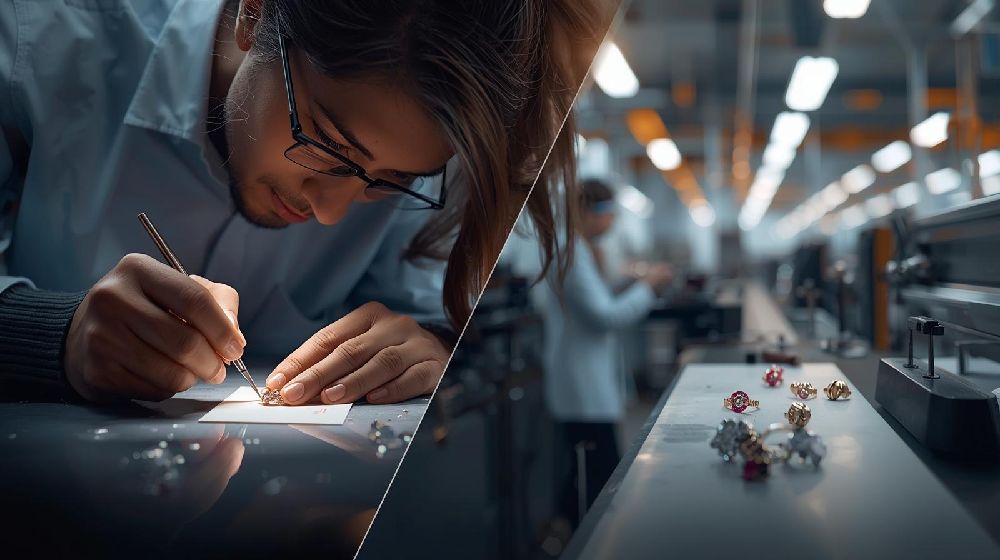
Even though technology powers consistency, it is human dedication that perfects it. Artisans refine corners, smooth surfaces, and evaluate beauty in ways no machine can replicate.
Their expertise ensures that mass production never becomes emotionless — every piece still carries the warmth of skilled hands.


Conclusion: Consistency Is the True Benchmark of Excellence

In jewelry manufacturing, producing one beautiful piece is achievement — but producing thousands with identical perfection is art. It requires a seamless blend of engineering, technology, skilled craftsmanship, and uncompromising quality standards.
This is the philosophy I believe in: Perfection is not a moment; it is a system.
And when executed with precision, it is what elevates jewelry from simple adornment to a timeless experience — consistent, reliable, and always exquisite.