

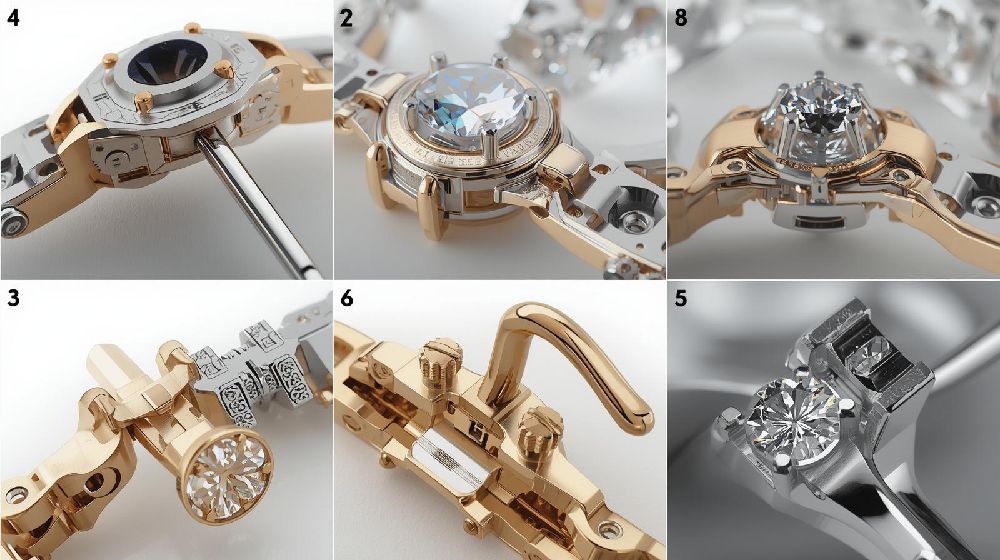
Jewelry is no longer just about aesthetics—it’s about durability, comfort, and practicality. Modern jewelry is designed not only to look exquisite but also to endure the rigors of daily life. From office desks and commutes to casual outings and social gatherings, today’s pieces are engineered to stand the test of time and use.
By combining advanced design techniques, carefully selected materials, and meticulous craftsmanship, modern jewelry balances beauty with longevity.
Material Selection for Everyday Strength
The first step in creating durable jewelry is choosing the right materials. Metals like gold, platinum, and high-quality alloys are preferred because they:
-
Resist tarnishing and corrosion
-
Maintain strength without becoming brittle
-
Allow flexibility in design without sacrificing durability
Gemstones and crystals are selected not only for brilliance but also for hardness and secure settings, ensuring they remain intact even with daily wear.
Precision Crafting and Structural Integrity
Modern jewelry design goes beyond looks—it accounts for structural engineering. Designers and artisans focus on:
-
Balanced weight distribution to prevent sagging or twisting
-
Reinforced joints for rings, bangles, and necklaces
-
Ergonomic designs that prevent pinching, scratching, or discomfort
This careful attention to structure ensures jewelry remains functional and comfortable day after day.
Advanced Manufacturing Techniques
Technologies like CNC machining, laser welding, and 3D modeling have revolutionized jewelry durability:
-
CNC machining ensures consistent precision and symmetry in each piece
-
Laser welding creates strong joins without compromising design aesthetics
-
3D modeling allows designers to simulate stress points and adjust structures before manufacturing
These techniques minimize errors, improve quality, and ensure longevity.
Protective Finishes and Coatings
Modern jewelry often features protective finishes such as rhodium or gold plating, which:
-
Prevent scratches and discoloration
-
Enhance shine and visual appeal
-
Increase resistance to environmental factors like moisture, sweat, or pollution
Finishes are applied meticulously to maintain both beauty and functionality over time.
Comfort Meets Durability
Jewelry is meant to be worn, not just admired. Ergonomic designs prioritize comfort without compromising strength:
-
Smooth edges prevent irritation
-
Adjustable elements allow natural movement
-
Lightweight construction ensures long-term wearability
Durable jewelry feels as effortless as it looks.
Quality Control for Daily Wear
Before reaching customers, modern jewelry undergoes rigorous quality control:
-
Stress testing on clasps and joints
-
Stone security checks
-
Visual inspection for finish consistency
Every step guarantees that the piece will withstand daily activities without losing its appeal.
The Role of Design Innovation
Beyond materials and technology, smart design ensures longevity. Features like hollow structures, tapered bands, or reinforced prongs reduce stress while maintaining elegance. Designers are increasingly blending innovation and tradition to produce pieces that are both timeless and resilient.
Conclusion: Jewelry That Keeps Up With Life
Modern jewelry is engineered to withstand daily wear through a thoughtful combination of materials, structural design, advanced manufacturing, and meticulous craftsmanship. The result is pieces that remain beautiful, functional, and comfortable—even through the busiest days.
Durability is no longer an afterthought—it’s built into every modern creation, allowing you to enjoy your jewelry every day without compromise.